












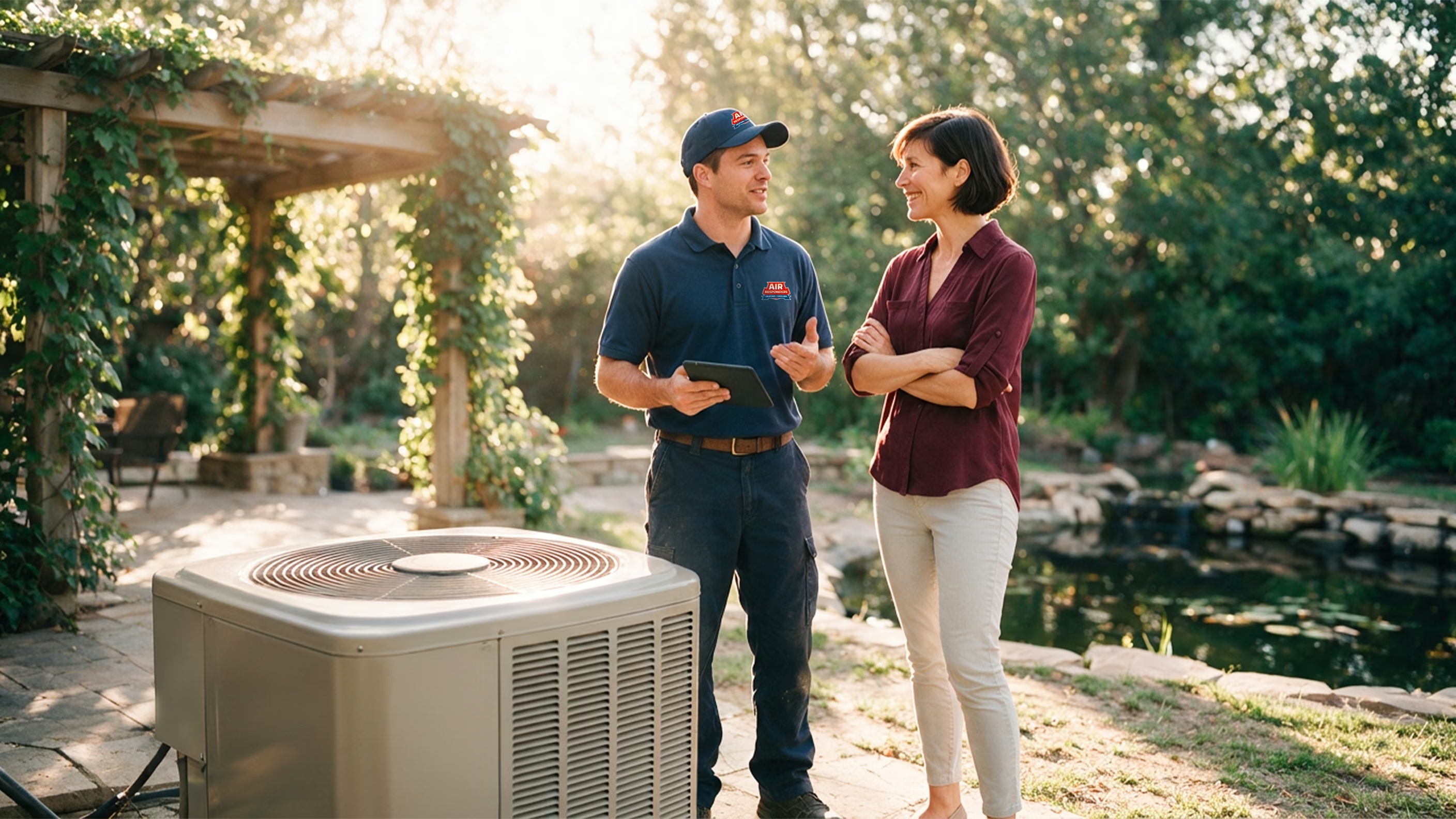



We size the system to your home, not to the box that's in it now. Load calculations, duct and airflow measurements, and a full system evaluation come first. You get three options in writing, with the reasoning and the financing behind each.

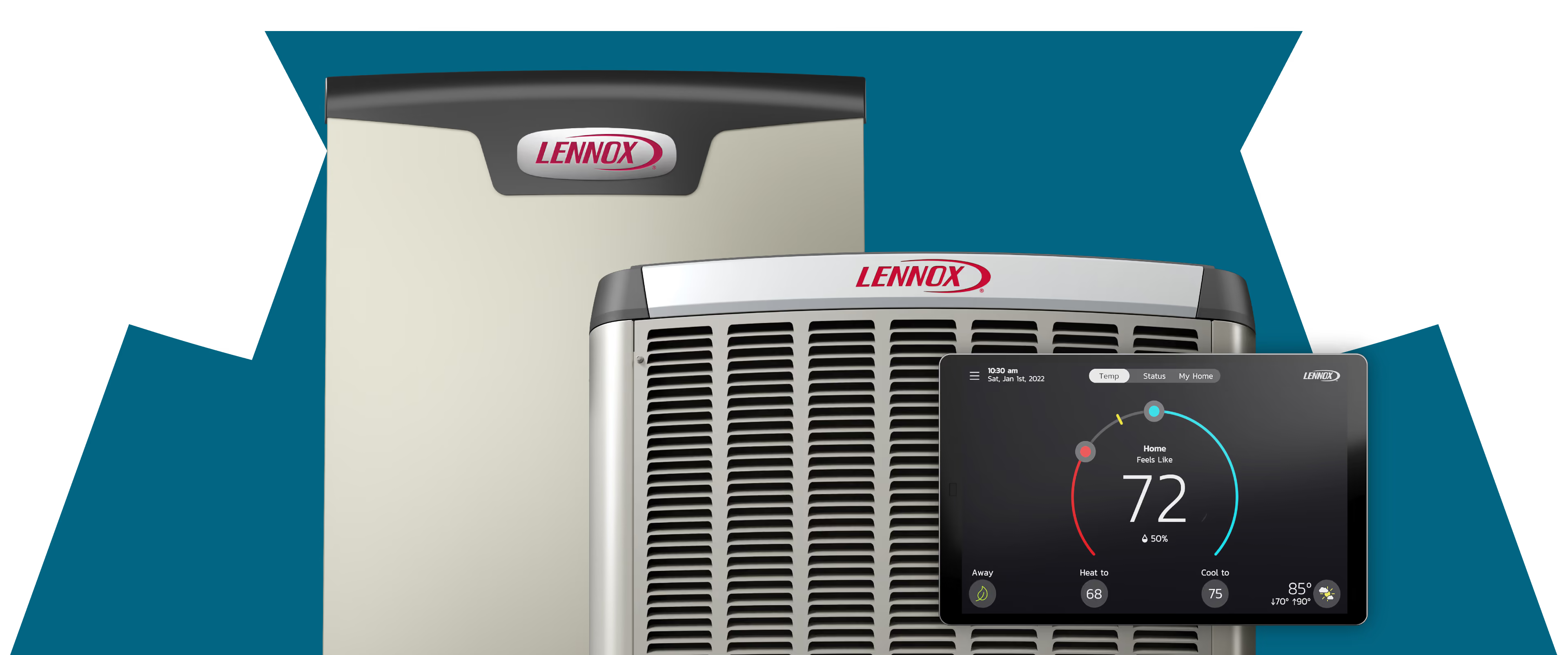
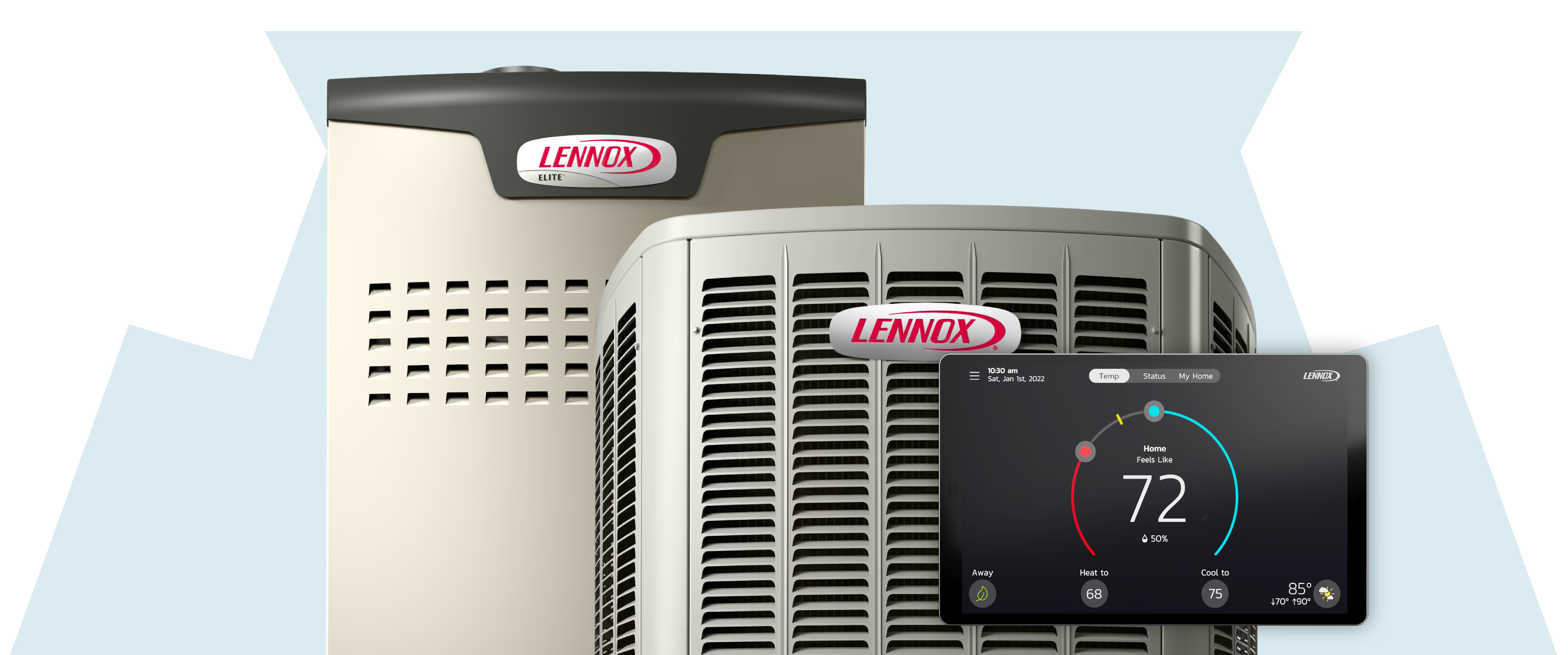
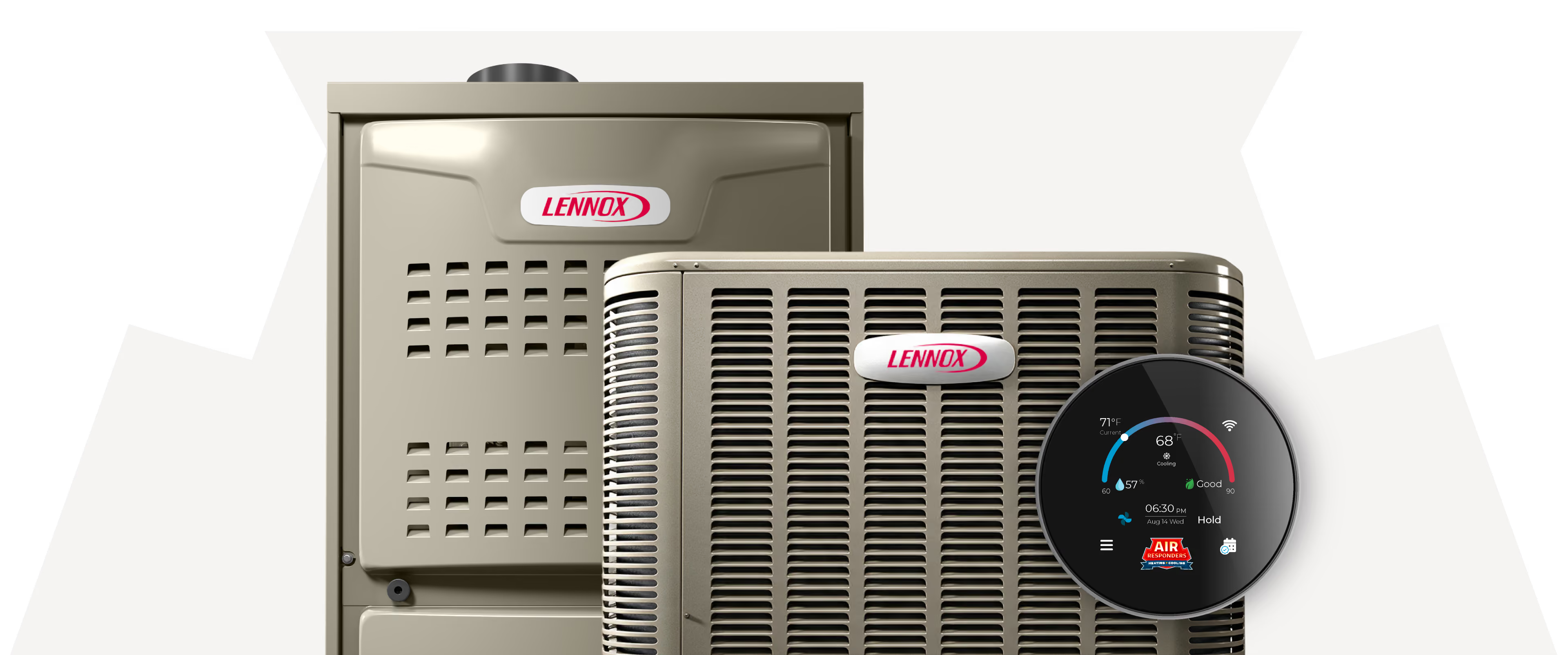
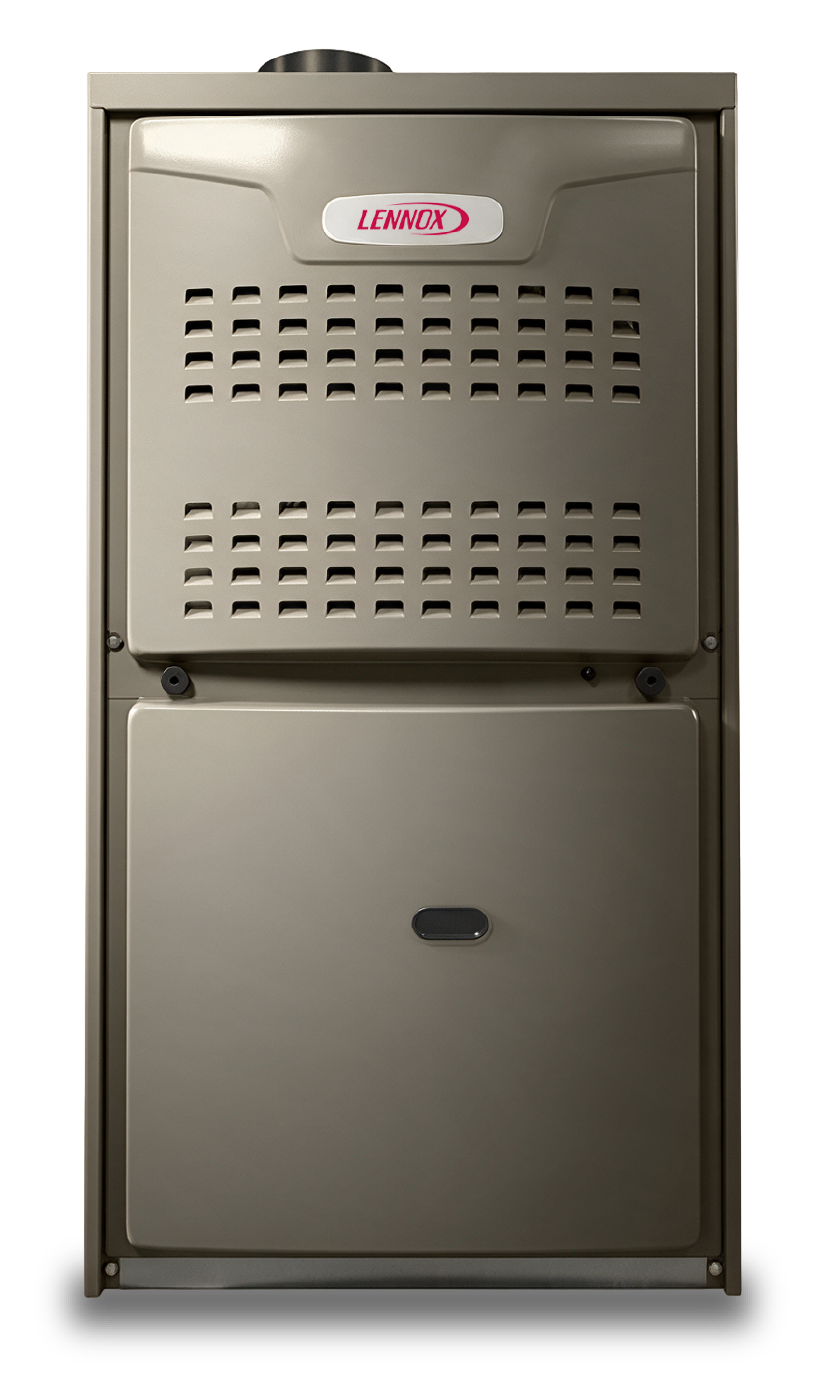
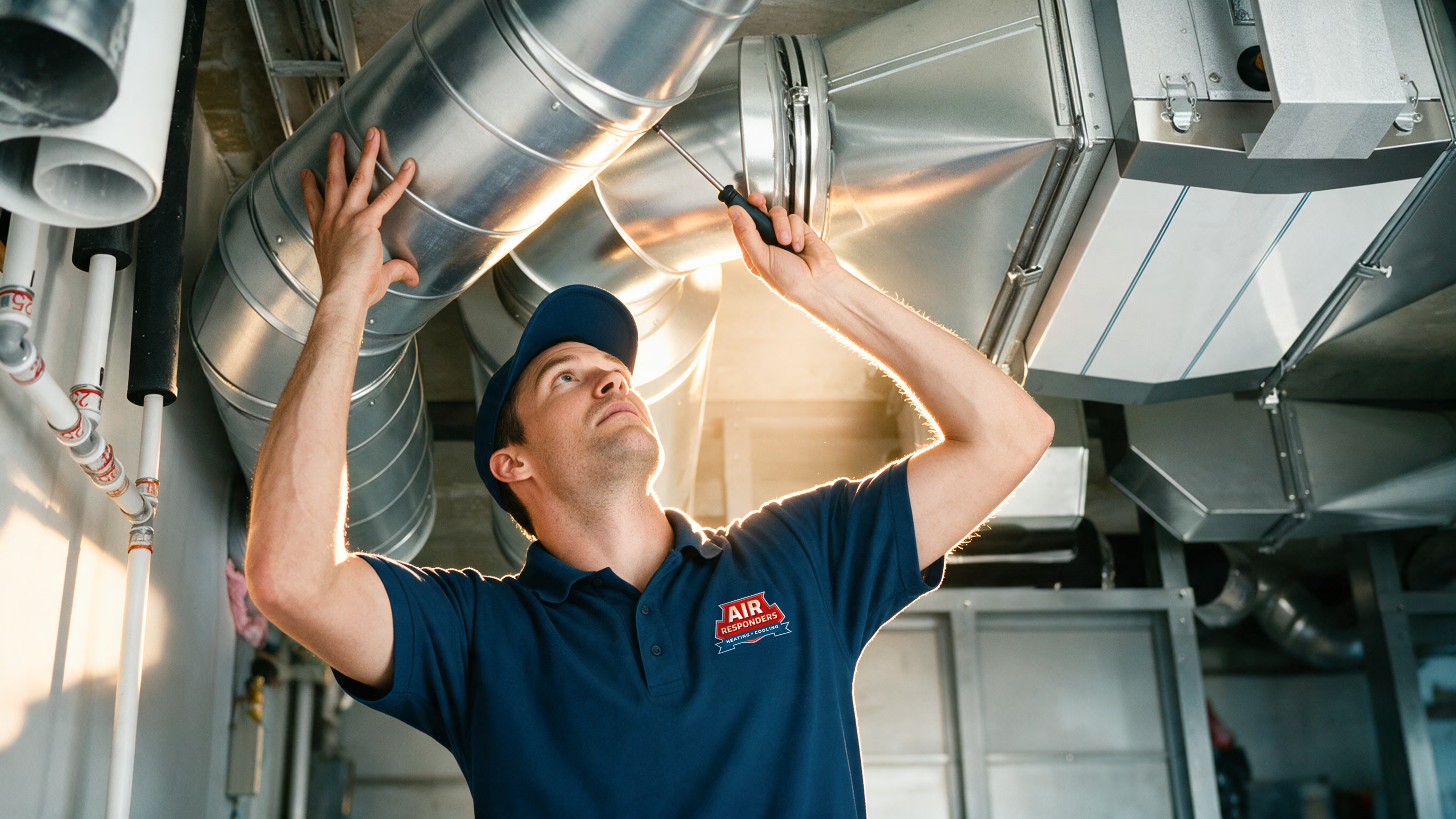
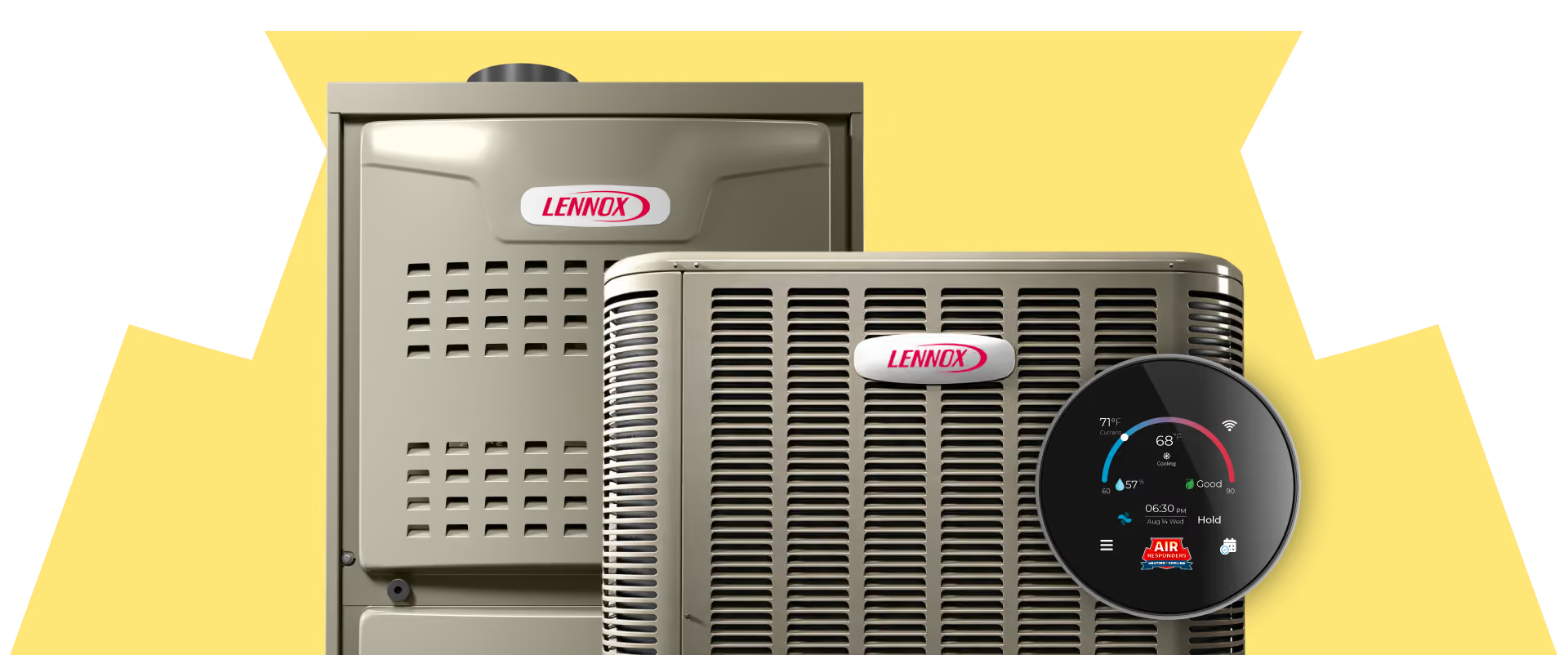
Uniformed technician, marked truck, shoe covers and drop cloths down before the first tool comes out. Daikin and Lennox equipment installed to manufacturer spec, with ductwork, drain and electrical corrected at the same time. Most installs finish in a single day.

An install is not finished when the unit turns on. We measure static pressure, airflow, refrigerant charge and temperature split, then hand you the readings with photos and video so you can see the system performing to spec.
Your warranty is registered for you the day we finish, labor coverage is in writing, and a manager calls after every job to confirm it was done right. If a number drifts, we come back and correct it.

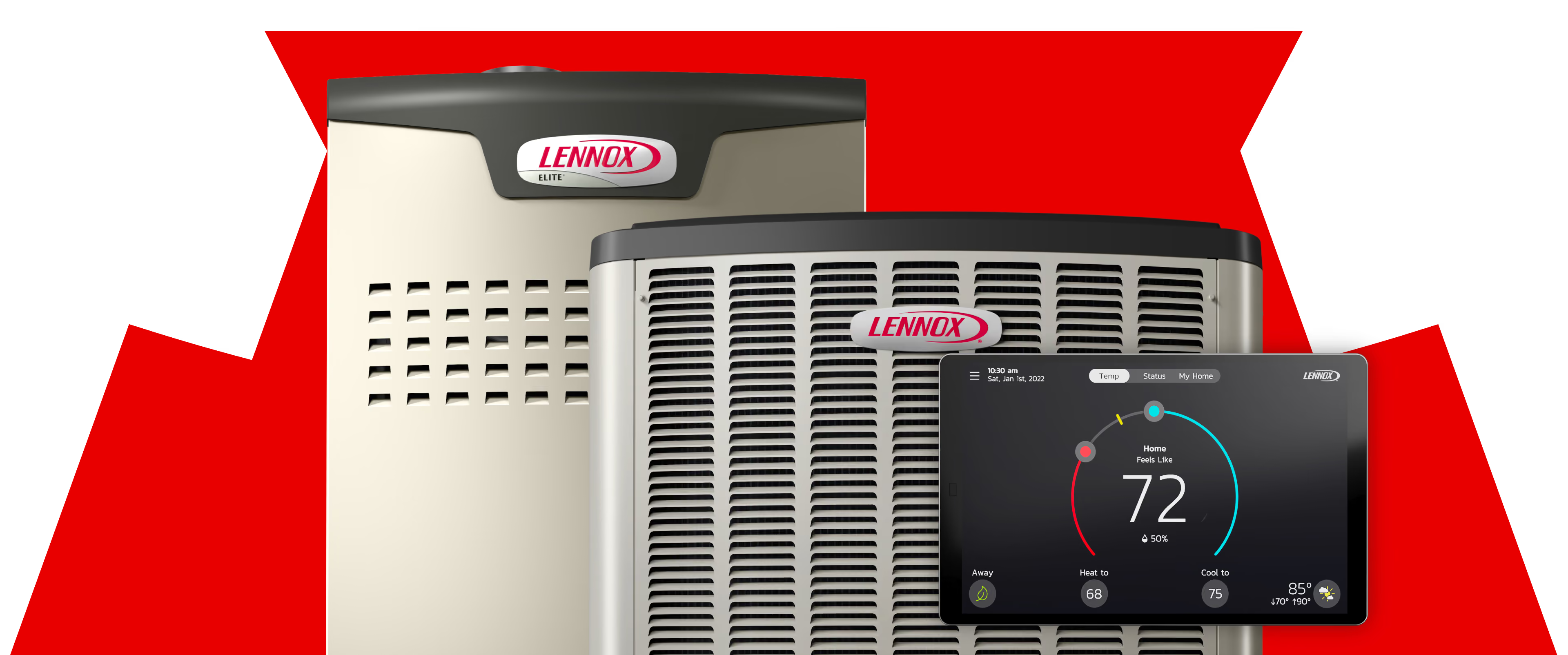

Most Austin homeowners are quoted $8,000–$12,000 up front for a new furnace. Ours starts at $125 a month — 0% interest, and no payments for 18 months.
Air Responders serves 40 cities within 50 miles of Austin, including Round Rock, Cedar Park, Georgetown, Pflugerville, Kyle, Buda, San Marcos, and New Braunfels. Most heating and cooling repairs handled same or next day.


A single-stage furnace runs at full output or not at all. A two-stage furnace can run at roughly two-thirds output for most of the season and only step up to full on the coldest nights.
In practice the two-stage unit runs longer at lower power, which means steadier temperatures between rooms, quieter operation and less of the on-off swing you feel with single-stage equipment. It costs more up front; whether that's worth it depends on how sensitive you are to those swings.
It depends on capacity, efficiency and staging, and on what your existing venting, gas line and ductwork will support — which is why we look at the house before putting a number on it.
Every furnace quote comes with three options showing equipment, warranty and monthly payment together. Financing starts at $125 a month, with 0% and no payments for 18 months available on qualifying installations.
A faint dusty smell on the first run of the season is normal — it's dust that settled on the heat exchanger over eight idle months burning off, and it should clear within an hour.
What isn't normal is a smell that persists, an acrid or electrical smell, or anything resembling gas or rotten eggs. If you smell gas, leave the house and call your gas utility from outside before calling anyone else. A persistent burning smell warrants a same-day inspection.
The size comes from a load calculation, not from square footage or from whatever was there before. We measure insulation, window area and orientation, ceiling heights, air leakage and duct capacity, then size the furnace to what the house actually loses on a design-temperature night.
Oversizing is the common error and it causes real problems: short cycling, uneven temperatures between rooms, and more wear on the ignition components than a correctly sized unit ever sees.
Fifteen to twenty years is typical in Central Texas, and often at the upper end of that, because the furnace runs only a few dozen nights a year here compared with a northern climate.
The limiting parts are usually the heat exchanger, the blower motor and the control board. Annual combustion analysis and airflow checks catch problems in all three early, which is the single biggest thing separating a furnace that reaches twenty years from one that doesn't reach twelve.
For most Austin homes an 80% AFUE furnace is a reasonable choice, because the heating season is short enough that the extra efficiency of a 96% unit takes many years to pay back in fuel savings alone.
A 96% condensing furnace still makes sense in some cases — a larger home, a homeowner planning to stay long term, or a situation where the venting change is happening anyway. We'll run the payback maths against your own gas usage rather than quoting a national average.
Heating, cooling, or air quality — book online in under a minute or call and talk to a real person. Same or next-day service across the Austin area.