

















Most Austin homeowners are quoted $8,000–$12,000 up front for a new furnace. Ours starts at $125 a month — 0% interest, and no payments for 18 months.

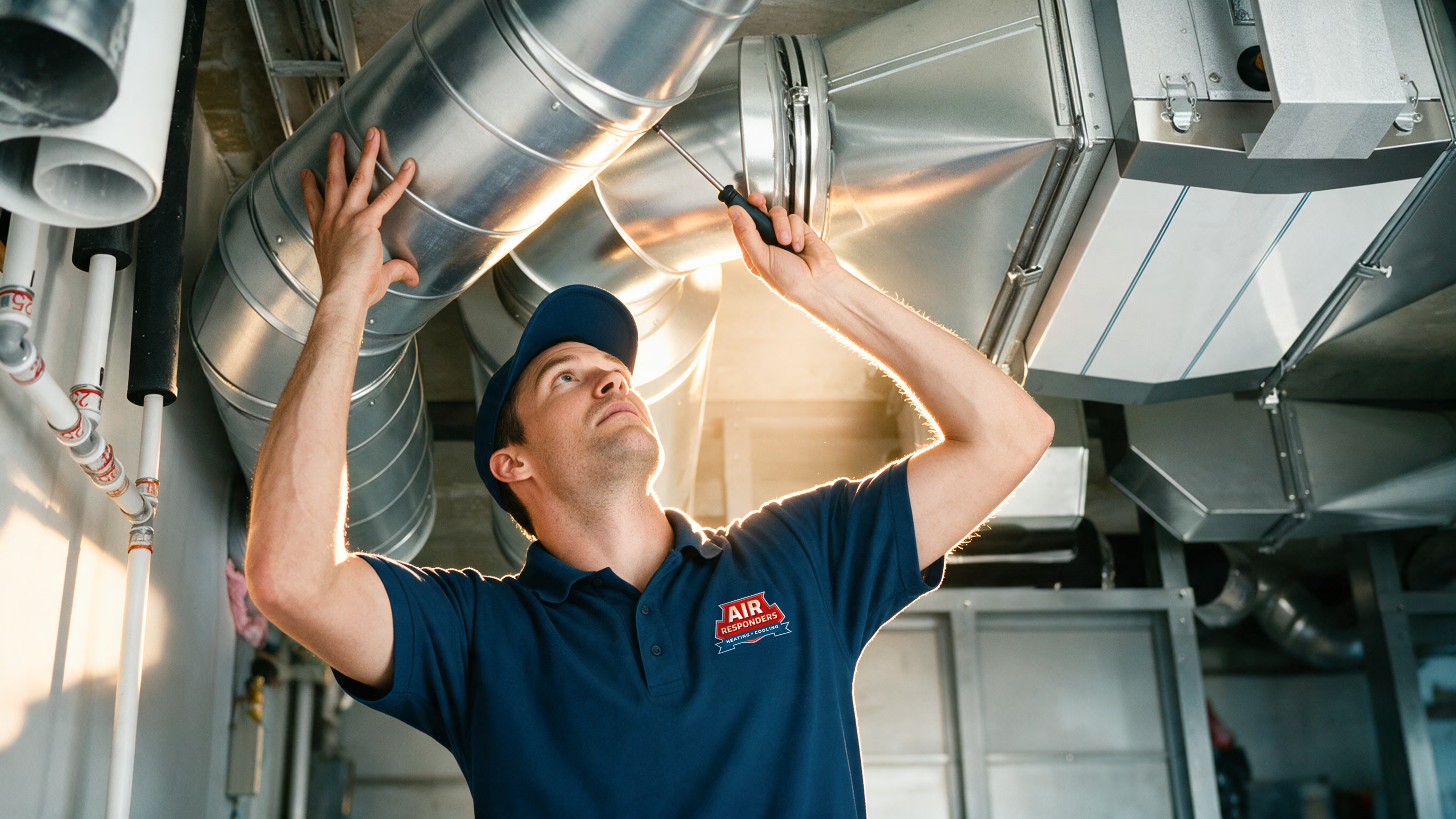
We pressure-test the duct system and measure static pressure at the air handler, then photograph the leaks and restrictions so you see the problem rather than just the invoice.

Sealing, partial replacement or a full redesign, each priced, each with the expected effect on airflow and utility cost. Financing is available on all three.

We run the same test again after the work and hand you both sets of readings. If the numbers did not move, we are not finished.
Labor coverage in writing, the airflow report is yours to keep, and a manager calls afterward to confirm it was done right.
Air Responders serves 40 cities within 50 miles of Austin, including Round Rock, Cedar Park, Georgetown, Pflugerville, Kyle, Buda, San Marcos, and New Braunfels. Most heating and cooling repairs handled same or next day.


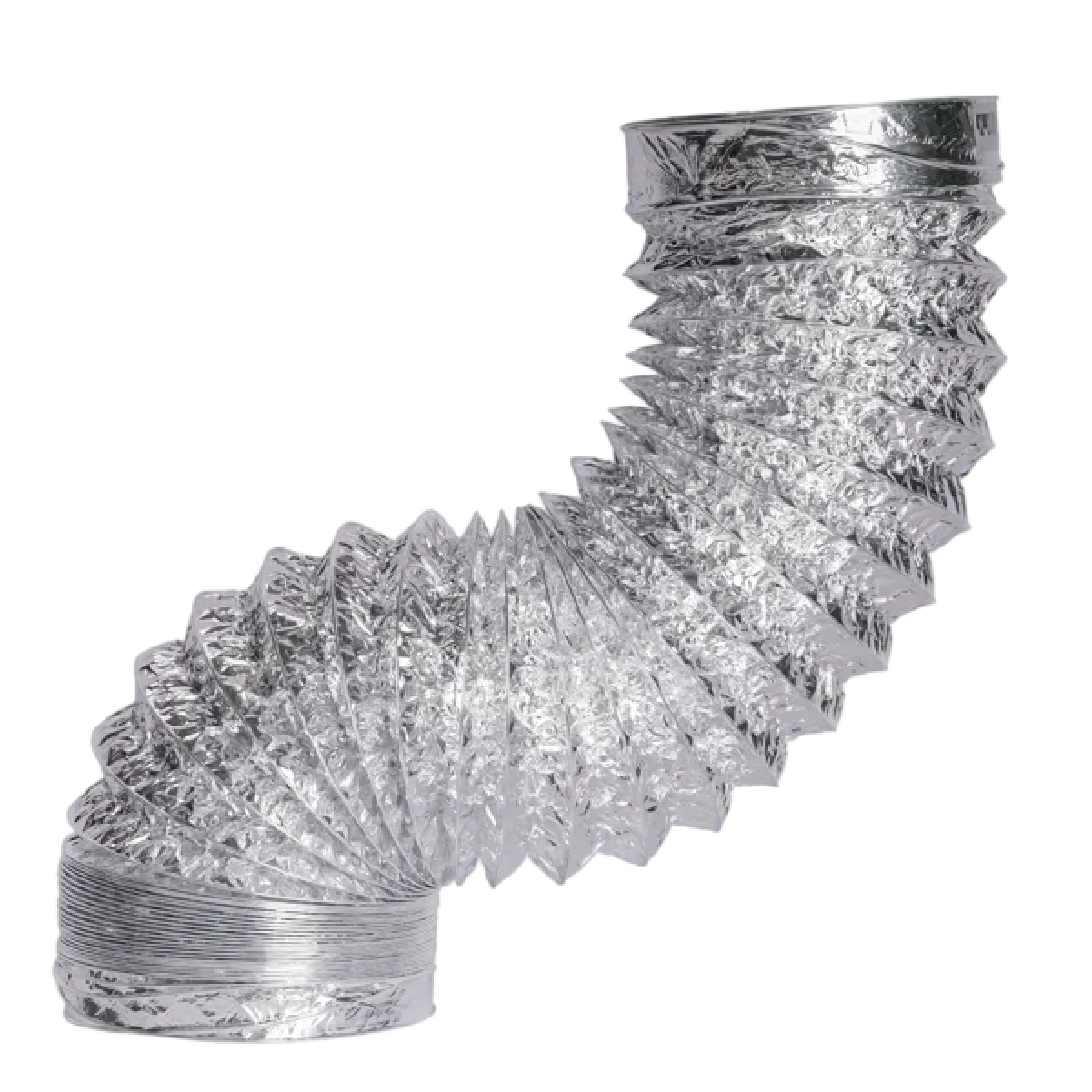
Flexible duct in a Texas attic typically has a serviceable life of about fifteen to twenty years. The heat cycling degrades the insulation and the inner liner, and the tape and mastic at the connections generally fail well before the duct itself does.
Sheet metal trunk lines last far longer, but their connections still open up over time. If your ducts are original to a house built before the 2000s, they're worth testing.
No, and the distinction matters because they're often sold interchangeably. Cleaning removes debris from inside the ducts. Sealing closes the gaps that let conditioned air escape and attic air get in.
Sealing is what changes your utility bill and your comfort. Cleaning has its place — after construction, or where there's been water or rodent intrusion — but it won't fix a system that's losing a quarter of its air into the attic.
Sealing is the right answer when the duct system is correctly sized and the material is sound — it's far cheaper and often recovers most of the loss. Replacement earns its cost when runs are undersized, the flex is crushed or torn, the insulation has degraded, or the return capacity was never adequate.
Static pressure readings usually settle it. High static on an intact system points to a design problem that sealing alone won't fix.
It depends on what the test finds. Sealing accessible connections on an otherwise sound system is a modest job; replacing undersized or deteriorated runs is a much larger one, and the two shouldn't be quoted as if they're the same work.
We start with a $70 inspection and pressure test, then price the fix against what it will save. Financing is available on larger duct projects.
Industry testing commonly puts duct losses in typical homes at roughly 20 to 30% of the conditioned air moving through the system. In Austin that number stings more than elsewhere, because the ducts usually run through an attic that reaches 140 degrees in August.
Every leak is air you already paid to cool, vented into the hottest space in the house — while the same gaps pull attic air and dust back into your rooms.
The everyday signs are rooms that never reach setpoint, a system that runs constantly without keeping up, summer bills that climb without a change in habits, and dust that returns days after cleaning.
None of those prove it on their own, which is why we pressure-test rather than eyeball. The test puts a number on how much air the system is losing, and photos show you exactly where — usually at plenum joints, boot connections and old tape that gave up years ago.
Heating, cooling, or air quality — book online in under a minute or call and talk to a real person. Same or next-day service across the Austin area.