















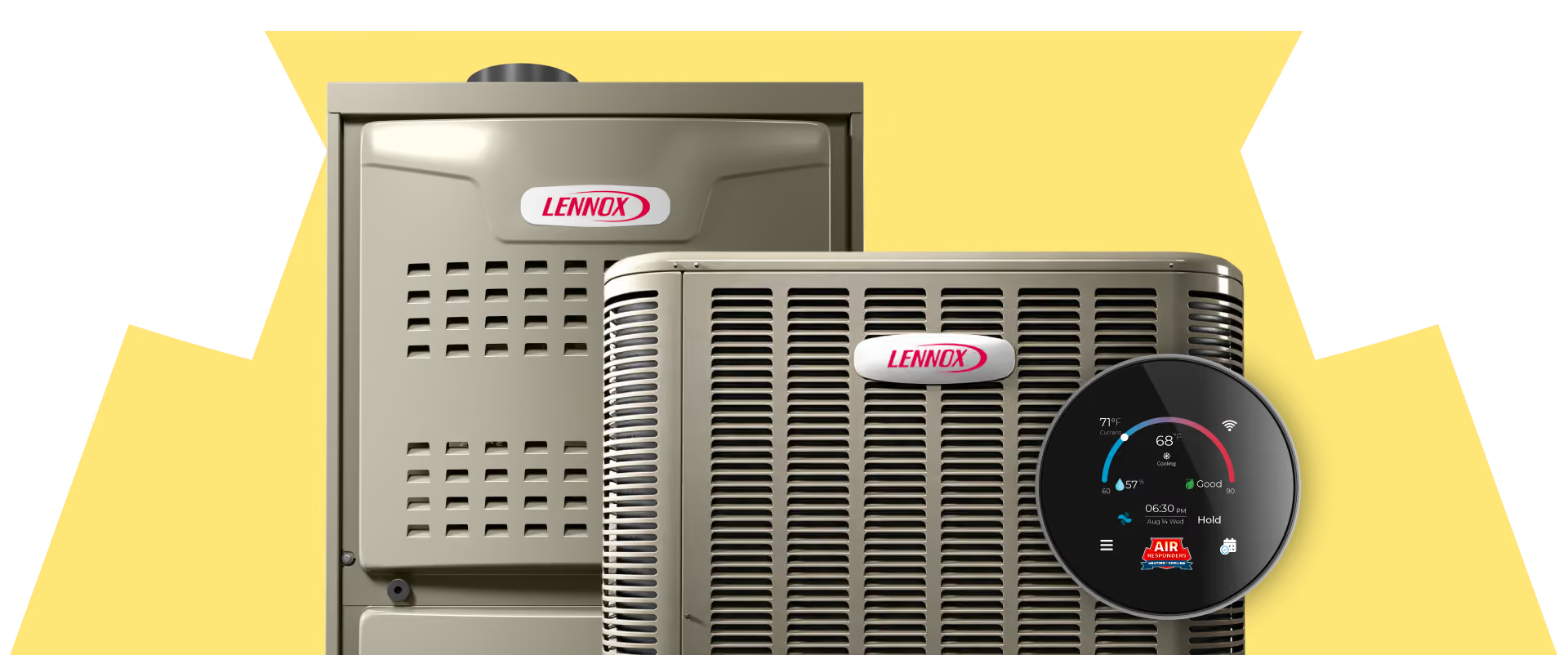
Most Austin homeowners are quoted $8,000–$12,000 up front for a new furnace. Ours starts at $125 a month — 0% interest, and no payments for 18 months.

We size the system to your home, not to the box that's in it now. Load calculations, duct and airflow measurements, and a full system evaluation come first. You get three options in writing, with the reasoning and the financing behind each.

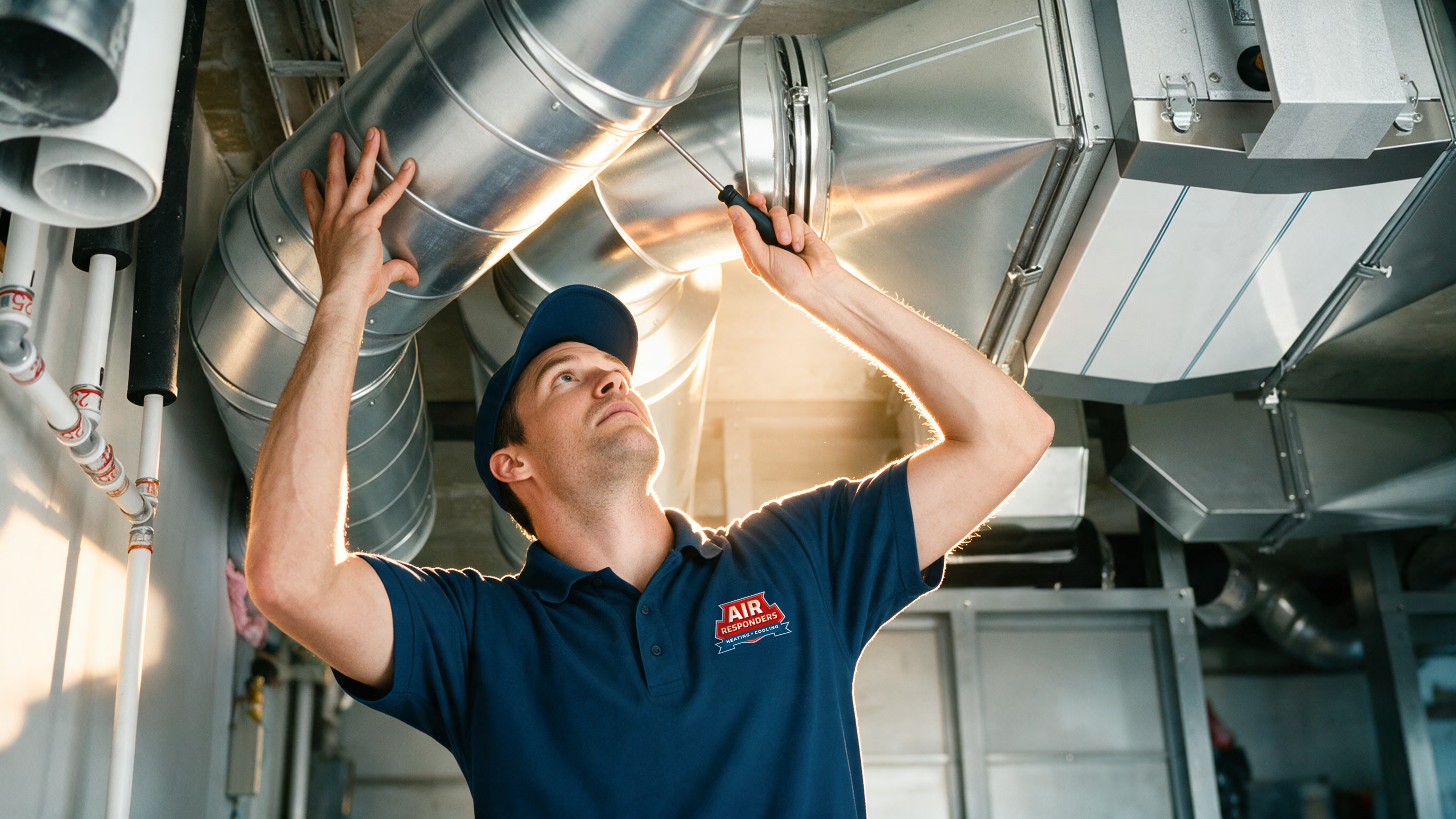
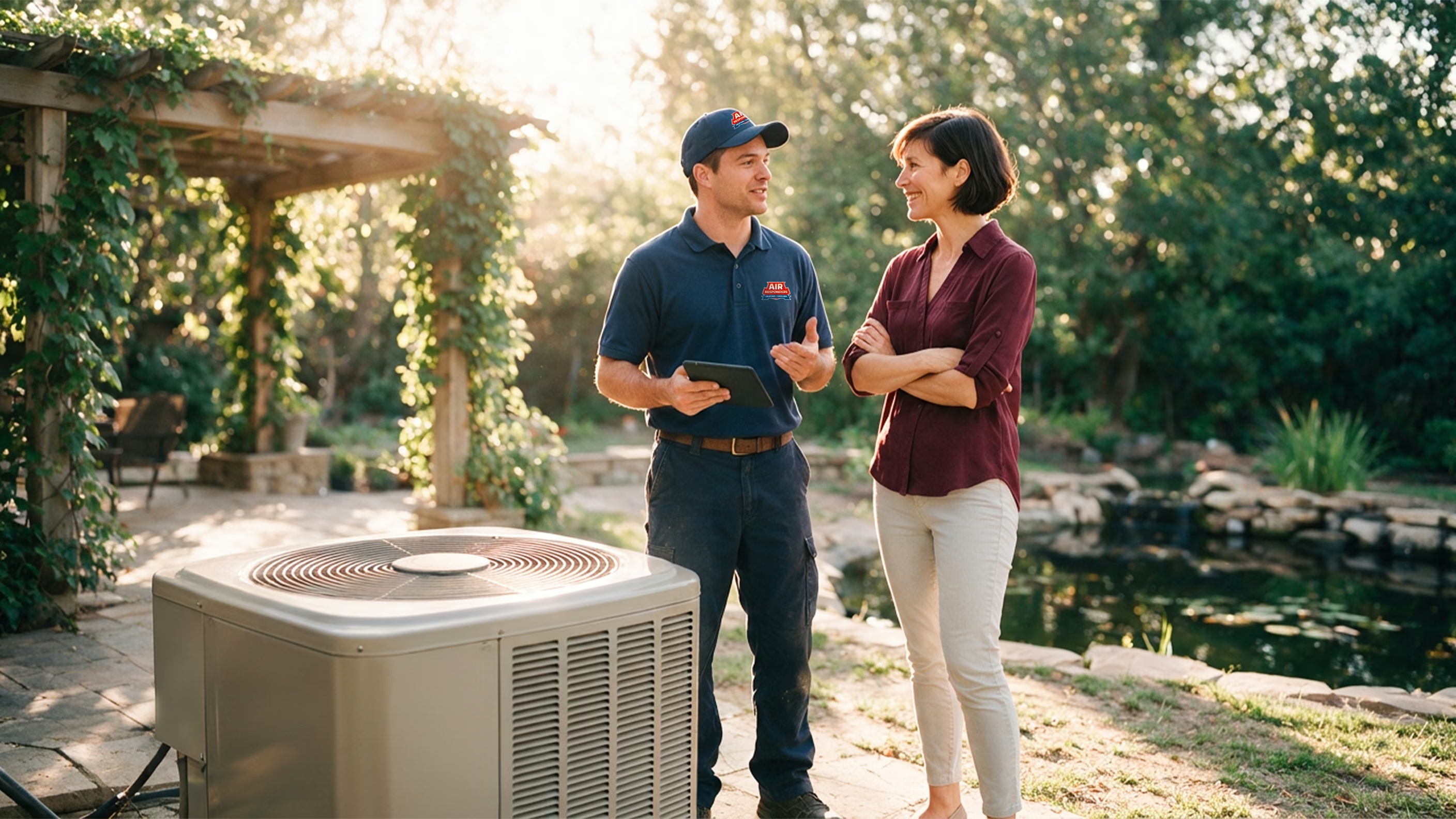
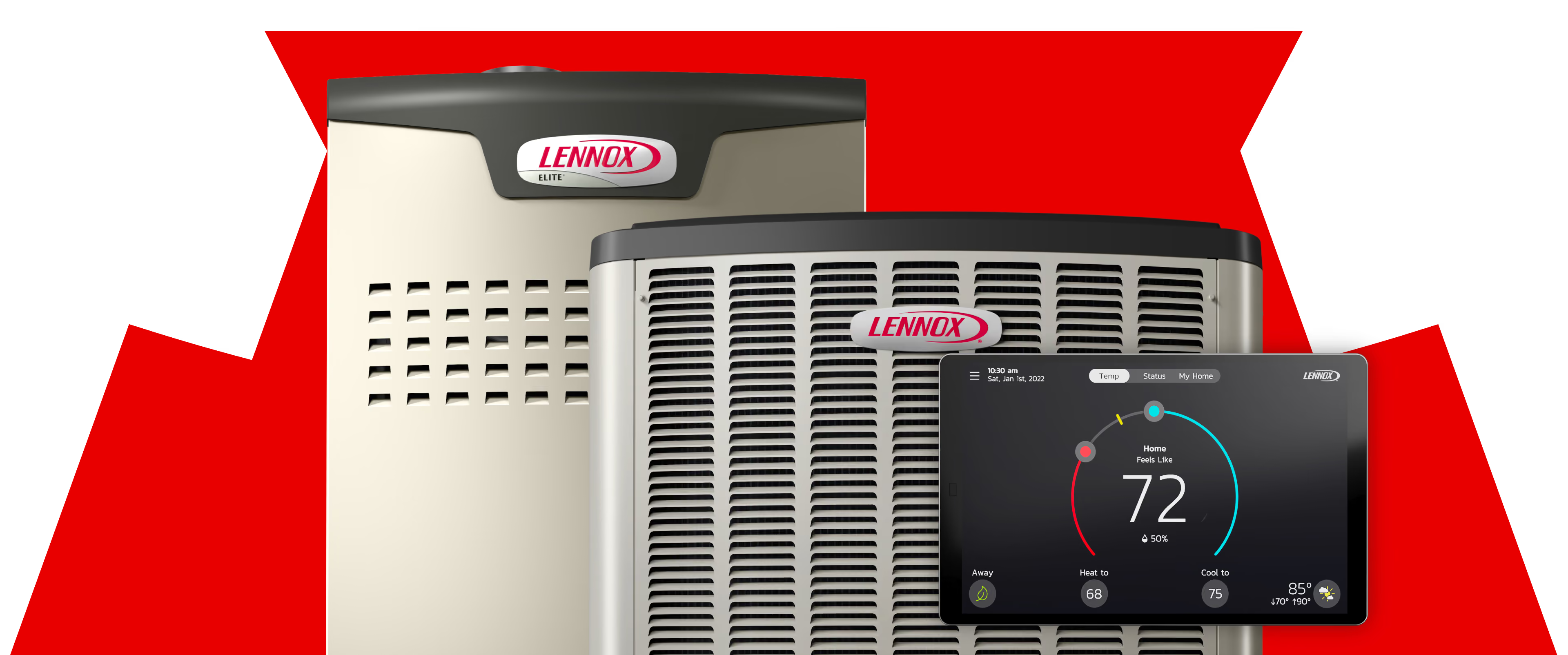
Uniformed technician, marked truck, shoe covers and drop cloths down before the first tool comes out. Daikin and Lennox equipment installed to manufacturer spec, with ductwork, drain and electrical corrected at the same time. Most installs finish in a single day.

An install is not finished when the unit turns on. We measure static pressure, airflow, refrigerant charge and temperature split, then hand you the readings with photos and video so you can see the system performing to spec.
Your warranty is registered for you the day we finish, labor coverage is in writing, and a manager calls after every job to confirm it was done right. If a number drifts, we come back and correct it.
Air Responders serves 40 cities within 50 miles of Austin, including Round Rock, Cedar Park, Georgetown, Pflugerville, Kyle, Buda, San Marcos, and New Braunfels. Most heating and cooling repairs handled same or next day.


Usually less than people hope. Cedar, oak and grass pollen enter through doors, windows and the building envelope, not from dust sitting in your ductwork — and the evidence that routine duct cleaning improves allergy symptoms is thin.
For Austin allergy season the things that actually move the needle are whole-home media filtration sized so it doesn't choke airflow, sealing return leaks that pull unfiltered attic air into the system, and keeping indoor humidity under about 50%. If ducts are contaminated with mould or rodent debris, that's a different conversation — and then cleaning is warranted.
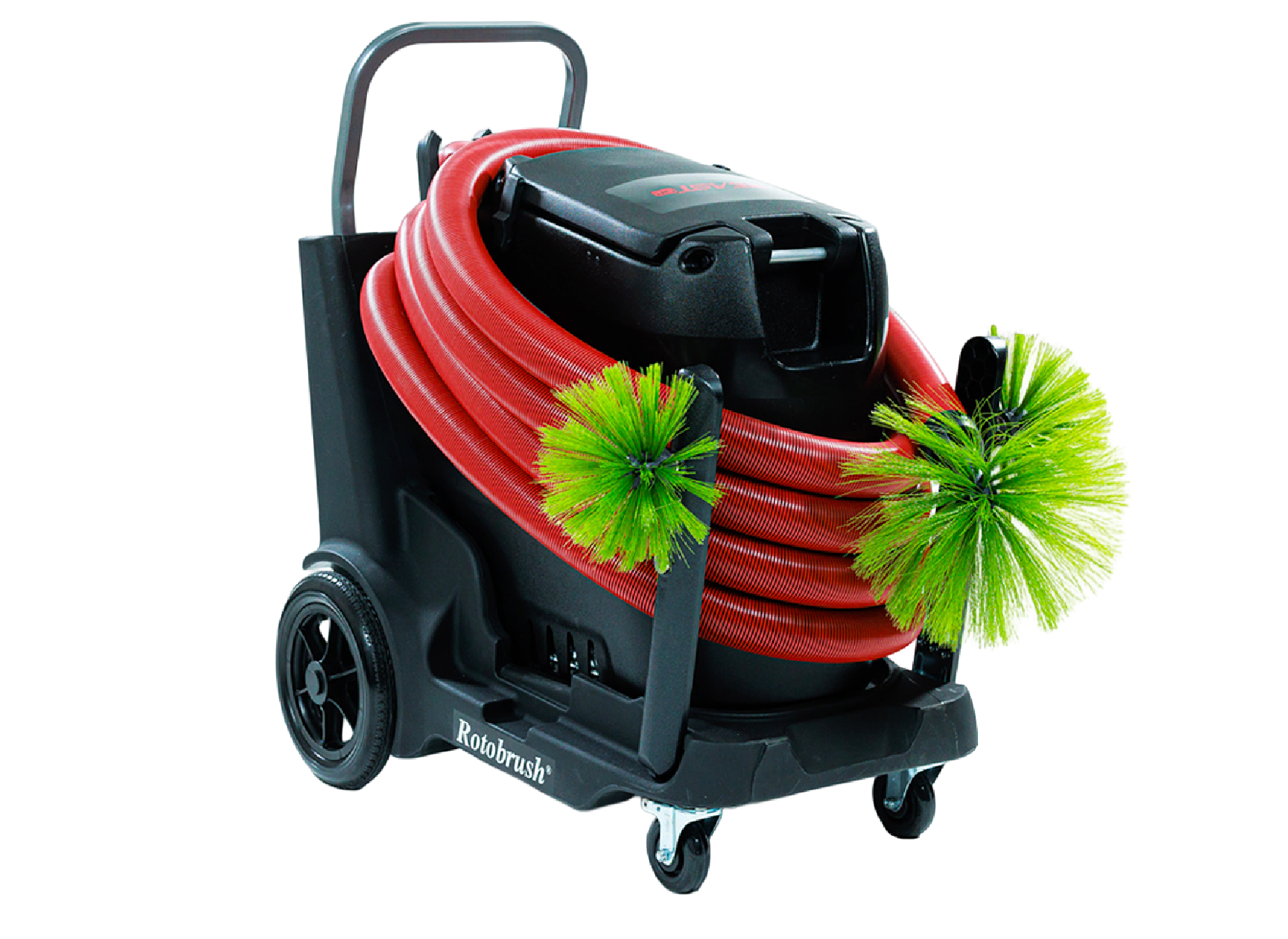
A proper cleaning puts the whole system under negative pressure with a truck-mounted or high-capacity vacuum, then agitates each run with brushes or compressed-air tools so debris is pulled out rather than pushed further in. Supply and return sides both, plus the plenums, the blower compartment and the coil.
What it is not is a shop vac at a few registers. If a crew is in and out in under an hour with a household vacuum, you have paid for theatre, not a cleaning.
There's no schedule worth following, despite what a lot of marketing suggests. Duct cleaning is condition-based: you do it when something has happened to the ducts, not because a calendar says three years have passed.
What does belong on a schedule is filter changes, an annual system inspection, and keeping the evaporator coil clean — that coil is where biofilm actually grows in Austin humidity, and it affects your air far more than dust sitting in a supply run.
For most Austin homes, sealing — by a wide margin. Cleaning removes debris from inside the ducts. Sealing closes the gaps that let conditioned air escape into a 140-degree attic and pull attic dust back into your rooms.
Sealing is what changes your utility bill, your comfort and, ironically, your dust levels. If dust keeps returning days after you clean the house, leaking return ducts are a far more likely culprit than dirty ones, and cleaning won't touch that.
A legitimate whole-system cleaning is a half-day job with real equipment, and it's priced accordingly. If you've seen a $79 or $99 whole-home duct cleaning advertised, that price cannot cover the labour — it's a door-opener, and the pattern is well documented: the crew arrives, finds alarming “mould,” and the number climbs into the thousands.
We quote after looking at your system, and if the honest recommendation is that you don't need cleaning, that's what you'll get. It's a poor way to make a quick sale and a good way to still be your HVAC company in ten years.
Often, no — and we'd rather say that than sell you a service you don't need. The EPA's position is that routine duct cleaning hasn't been shown to prevent health problems or measurably reduce dust in a normal home.
Where it genuinely earns its cost is specific: rodent or insect infestation, water intrusion or visible mould growth inside the ducts, heavy debris after a remodel or new construction, or ducts that were left open during a build. If none of those apply to your house, your money almost certainly does more good sealing the ducts than cleaning them.
Heating, cooling, or air quality — book online in under a minute or call and talk to a real person. Same or next-day service across the Austin area.