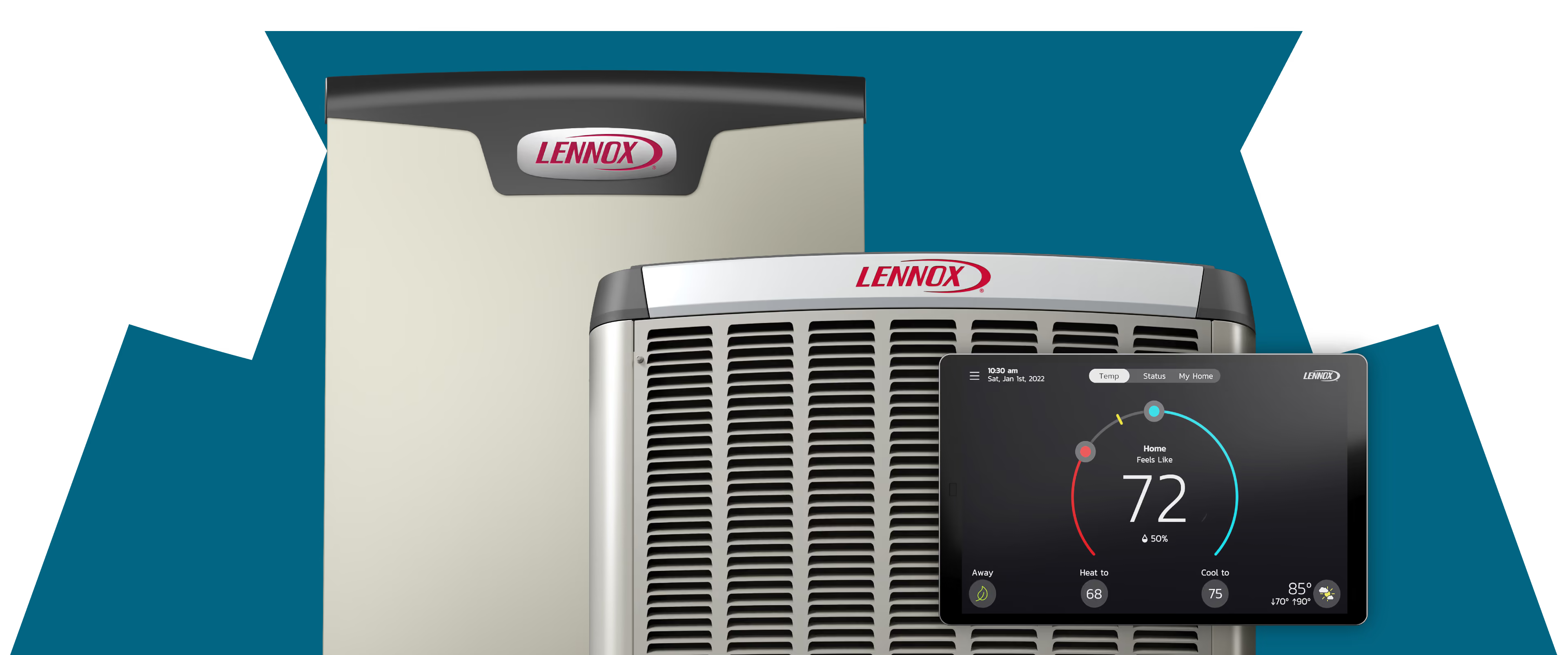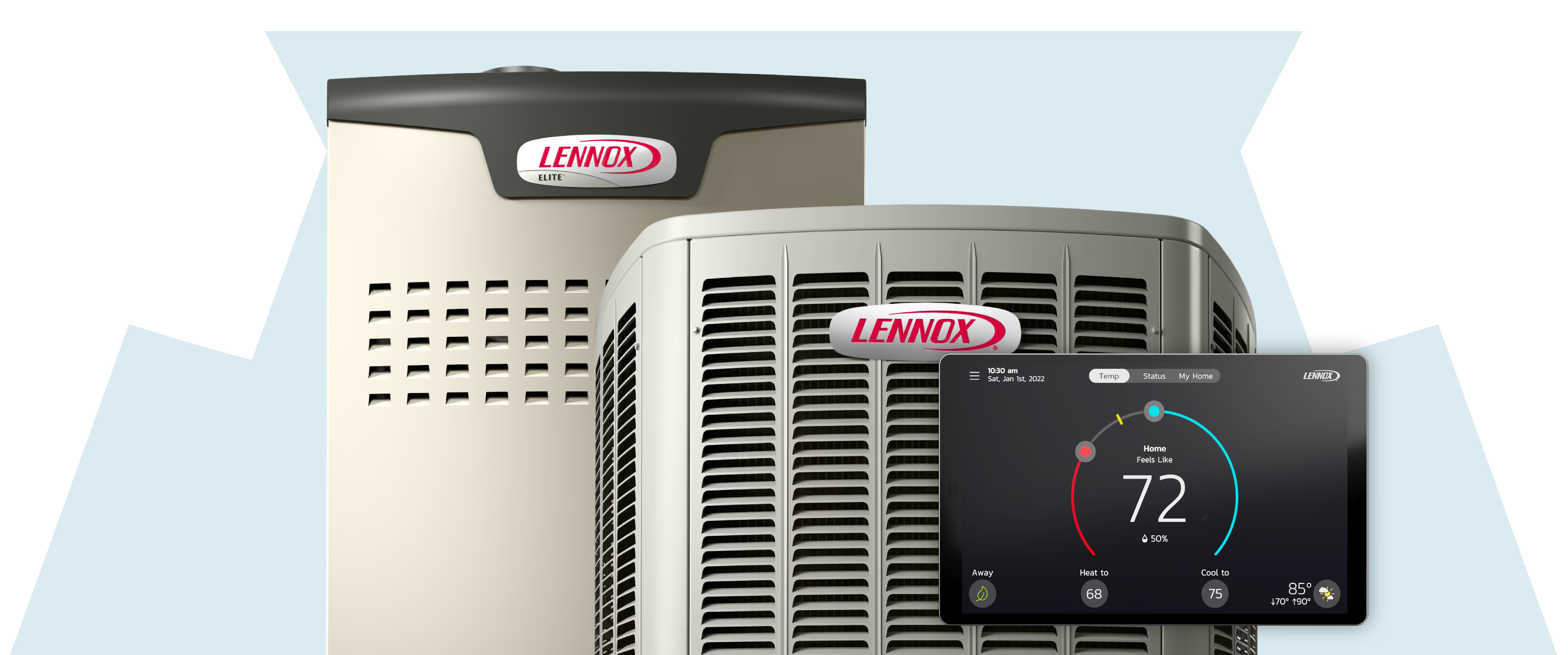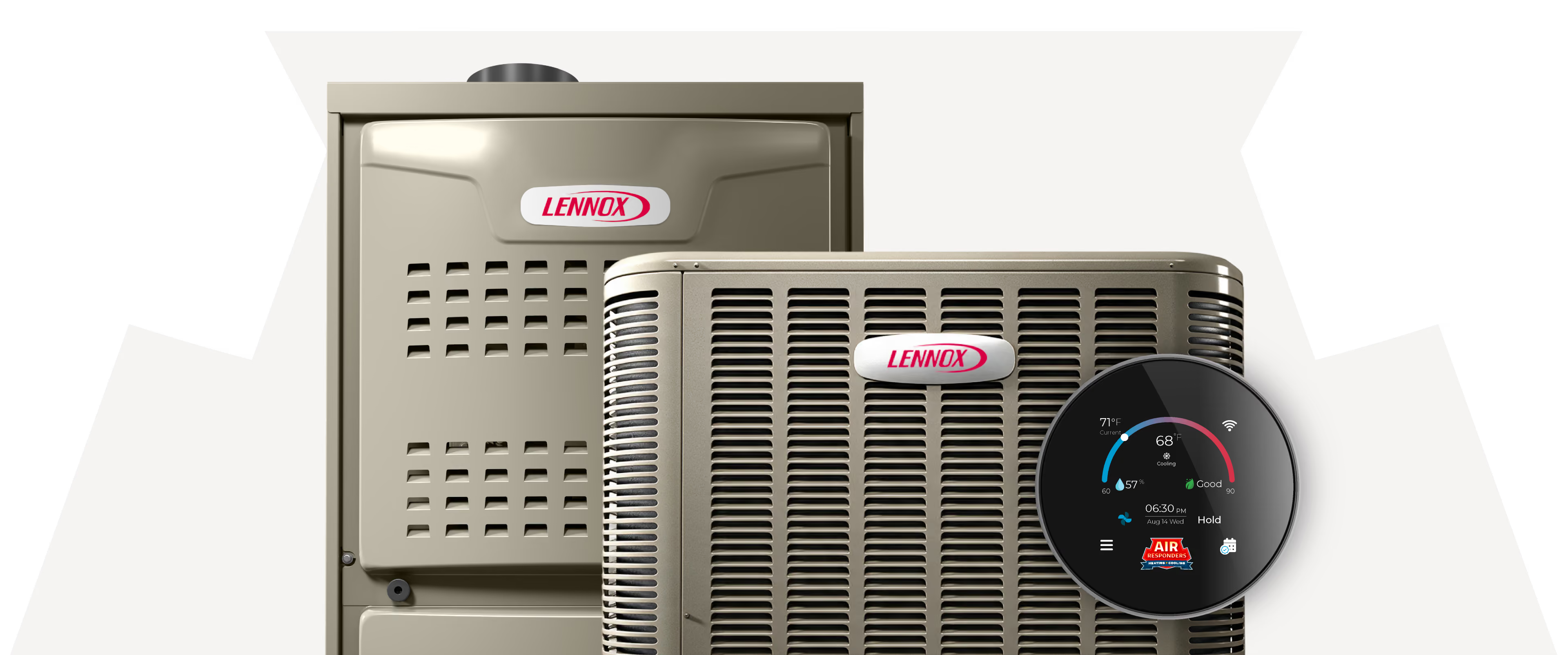










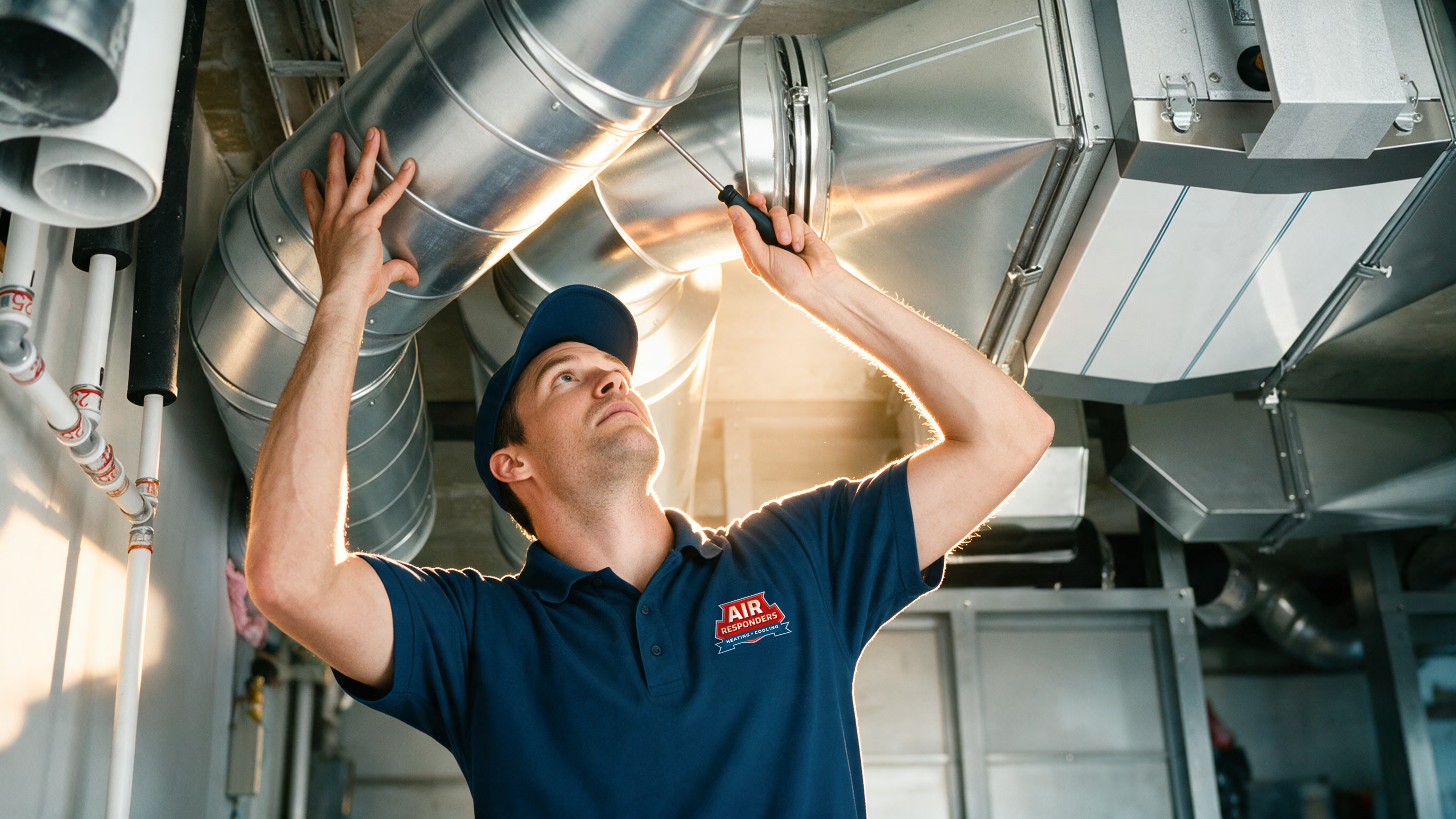







We size the system to your home, not to the box that's in it now. Load calculations, duct and airflow measurements, and a full system evaluation come first. You get three options in writing, with the reasoning and the financing behind each.

Uniformed technician, marked truck, shoe covers and drop cloths down before the first tool comes out. Daikin and Lennox equipment installed to manufacturer spec, with ductwork, drain and electrical corrected at the same time. Most installs finish in a single day.

An install is not finished when the unit turns on. We measure static pressure, airflow, refrigerant charge and temperature split, then hand you the readings with photos and video so you can see the system performing to spec.
Your warranty is registered for you the day we finish, labor coverage is in writing, and a manager calls after every job to confirm it was done right. If a number drifts, we come back and correct it.

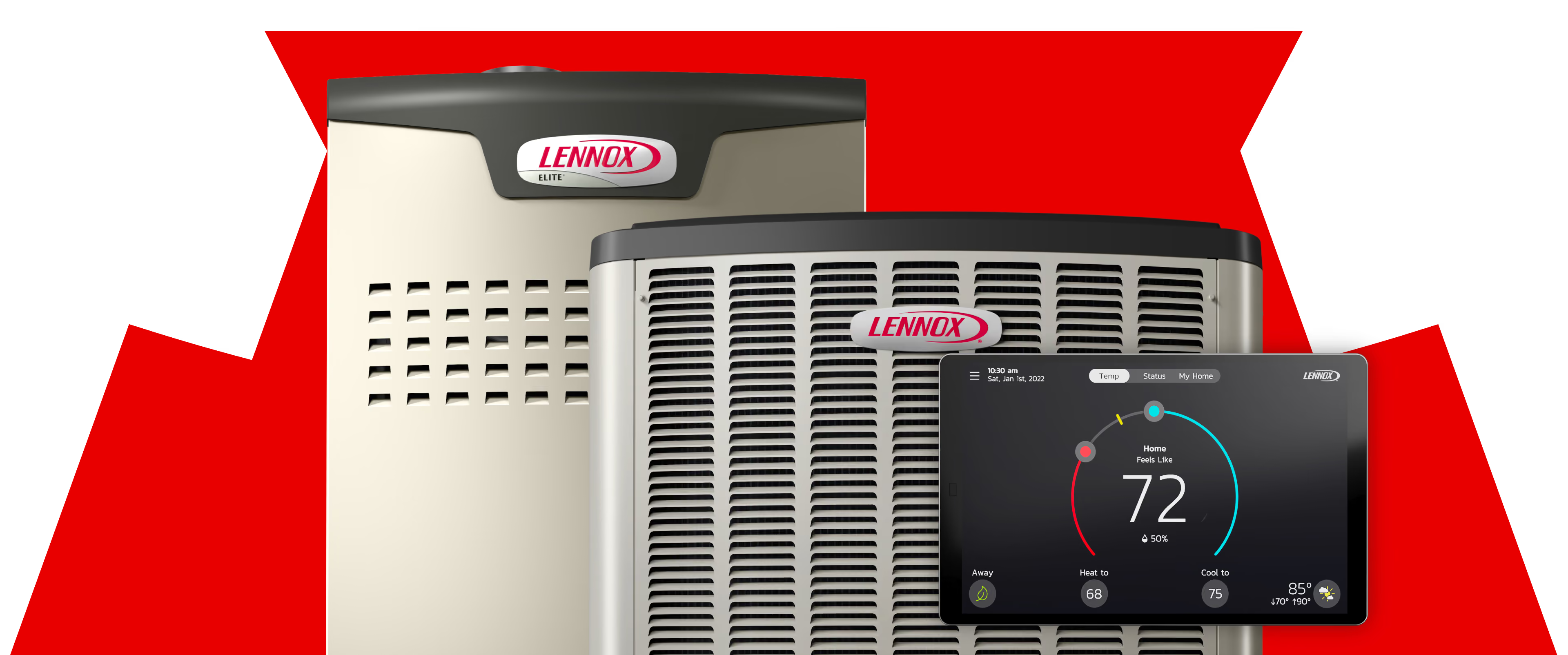

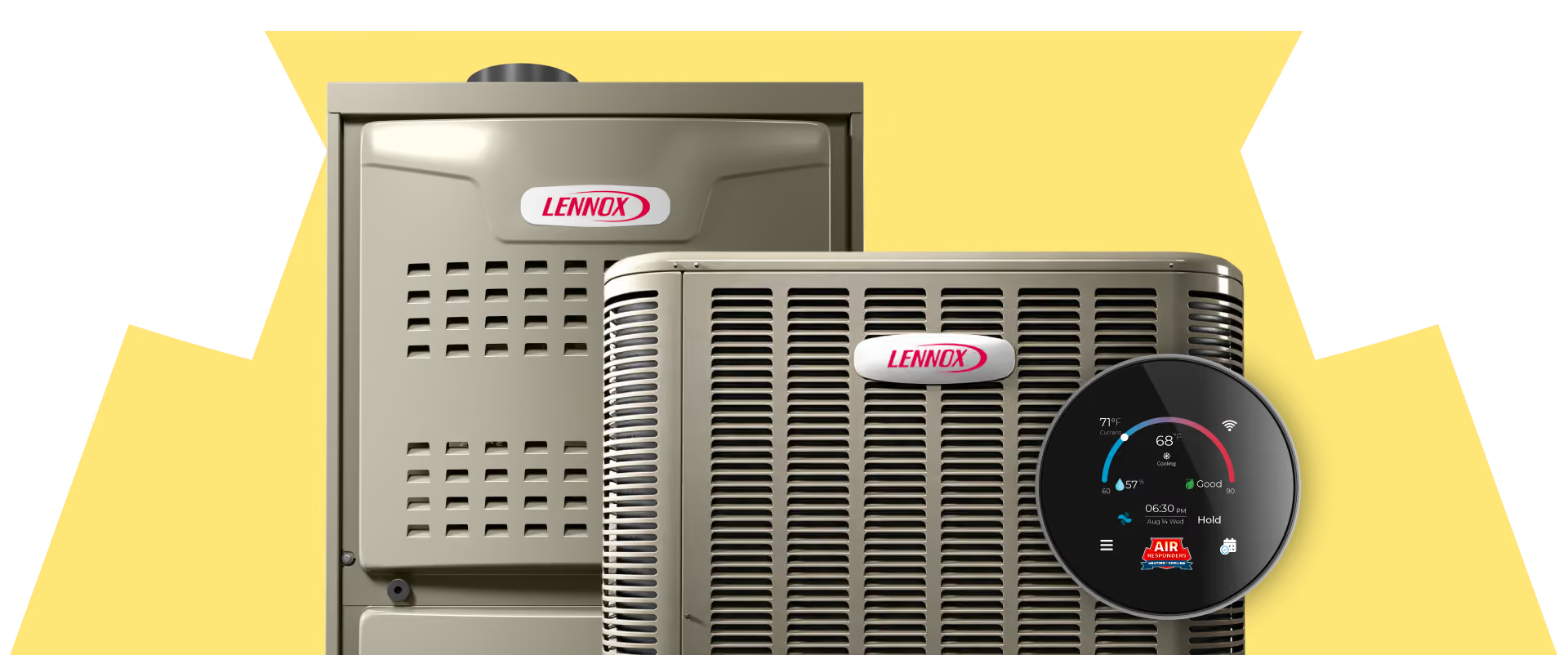
Most Austin homeowners are quoted $8,000–$12,000 up front for a new furnace. Ours starts at $125 a month — 0% interest, and no payments for 18 months.
Air Responders serves 40 cities within 50 miles of Austin, including Round Rock, Cedar Park, Georgetown, Pflugerville, Kyle, Buda, San Marcos, and New Braunfels. Most heating and cooling repairs handled same or next day.


Sometimes — but not always, and it's worth diagnosing before spending. If the room is on the main duct system and simply isn't getting enough air, the real problem is often a crushed flex duct, an undersized run or a missing return, and an air balancing visit fixes it for far less.
If the space genuinely isn't served by the ductwork, or can't be without major work, a mini split is the right answer. We measure the airflow first and tell you which case you're in.
More than most owners expect. The indoor head's filters need rinsing every month or two, and the blower wheel needs periodic professional cleaning — in Austin humidity it's a spot where mould and biofilm establish themselves if it's neglected.
An annual visit covers the blower wheel and filters, refrigerant charge, condensate drain and the outdoor unit. Neglecting the drain is the most common cause of a mini split dripping down a wall.
Yes — nearly all modern mini splits are heat pumps, so the same equipment heats in winter and cools in summer. In Austin's mild winters they handle heating comfortably and cheaply.
That makes them a genuinely complete solution for a converted space, rather than a cooling-only fix that leaves you running a space heater from November onward.
Pricing depends on how many indoor heads you need, the capacity each zone requires, and how far the line set has to run from the outdoor unit — a single-zone system is a very different job from a four-zone one.
We measure the space and check the electrical panel before quoting, then give you three options with monthly payments. Financing starts at $125 a month.
It's usually the best option. Converted garages, backyard offices and additions were rarely designed into the original duct system, and extending ductwork to them is often more expensive and less effective than a dedicated ductless head.
A mini split also lets that space run on its own schedule and setpoint, which matters for a room used a few hours a day rather than all day.
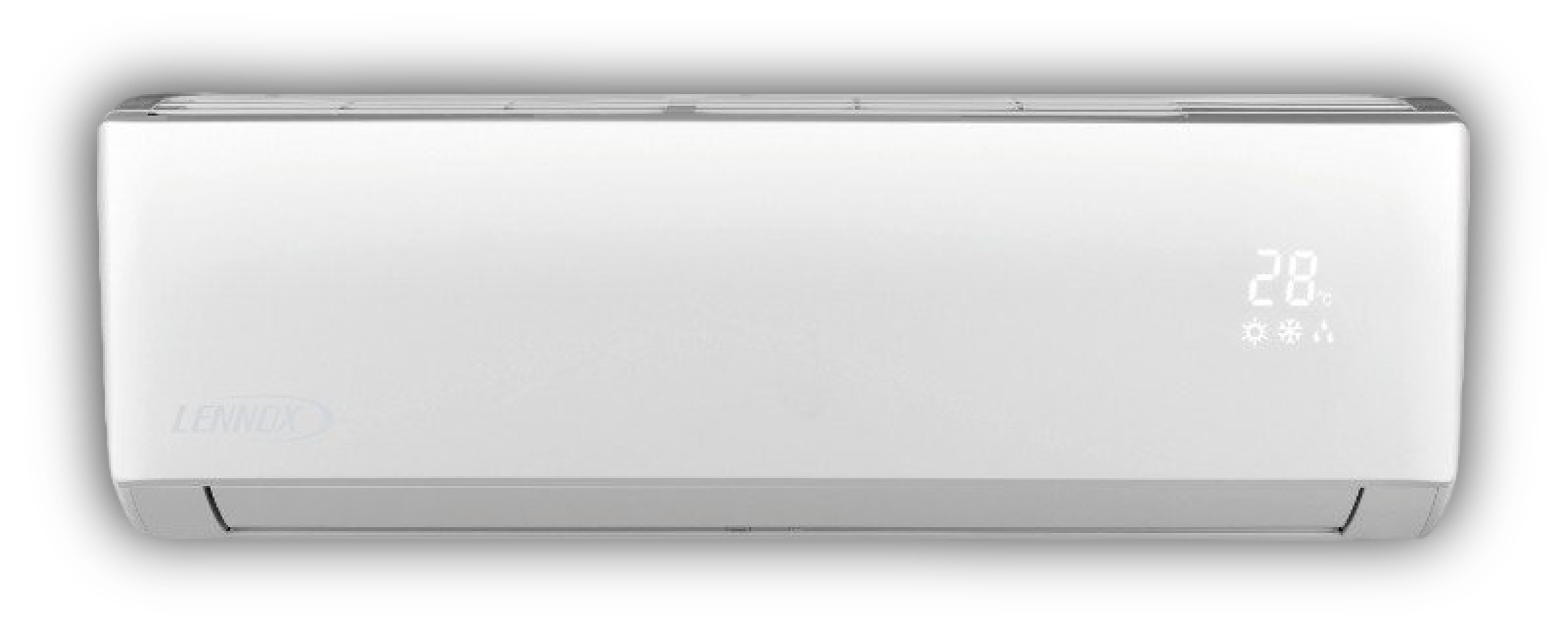
A mini split is a ductless heating and cooling system: an outdoor unit connected by a small line set to one or more indoor heads mounted on a wall or ceiling. Each head conditions its own zone with its own thermostat.
Because there's no ductwork, none of the conditioned air is lost to a hot attic on the way to the room — which is exactly why mini splits work well for spaces that were never on the main duct system.
Heating, cooling, or air quality — book online in under a minute or call and talk to a real person. Same or next-day service across the Austin area.